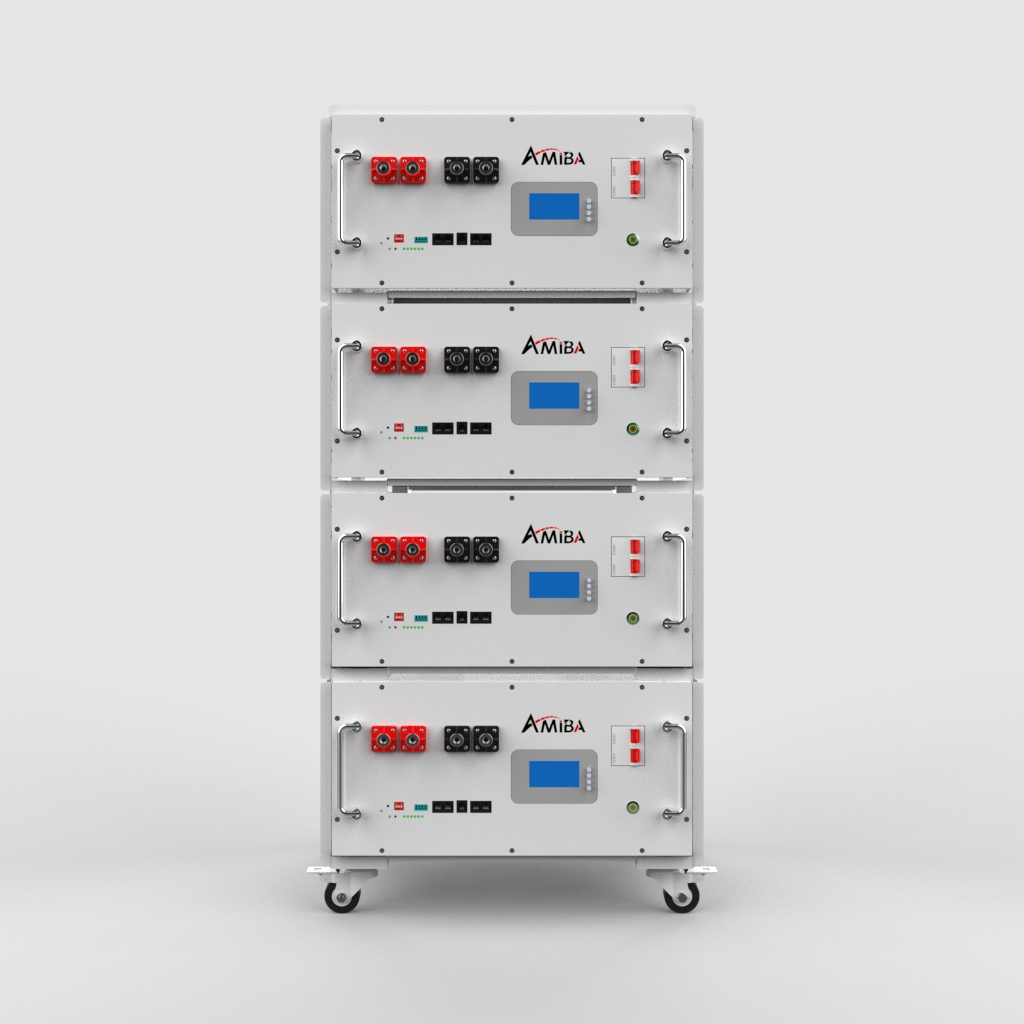
48V Battery for Renewable Energy: Long-Life LiFePO4 Solutions

All Categories

Get a Free Quote

Our representative will contact you soon.
Email
WhatsApp/Phone
Name
Company Name
Message
0/1000
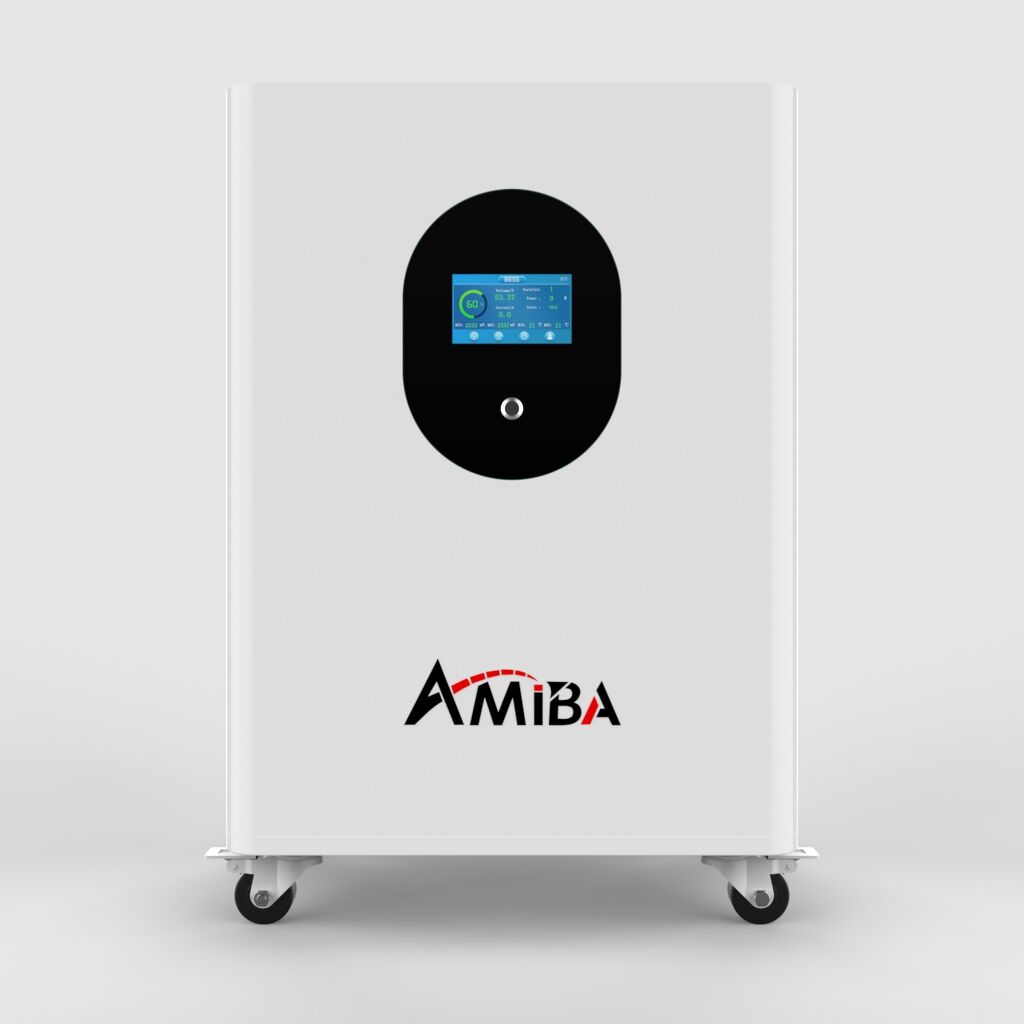
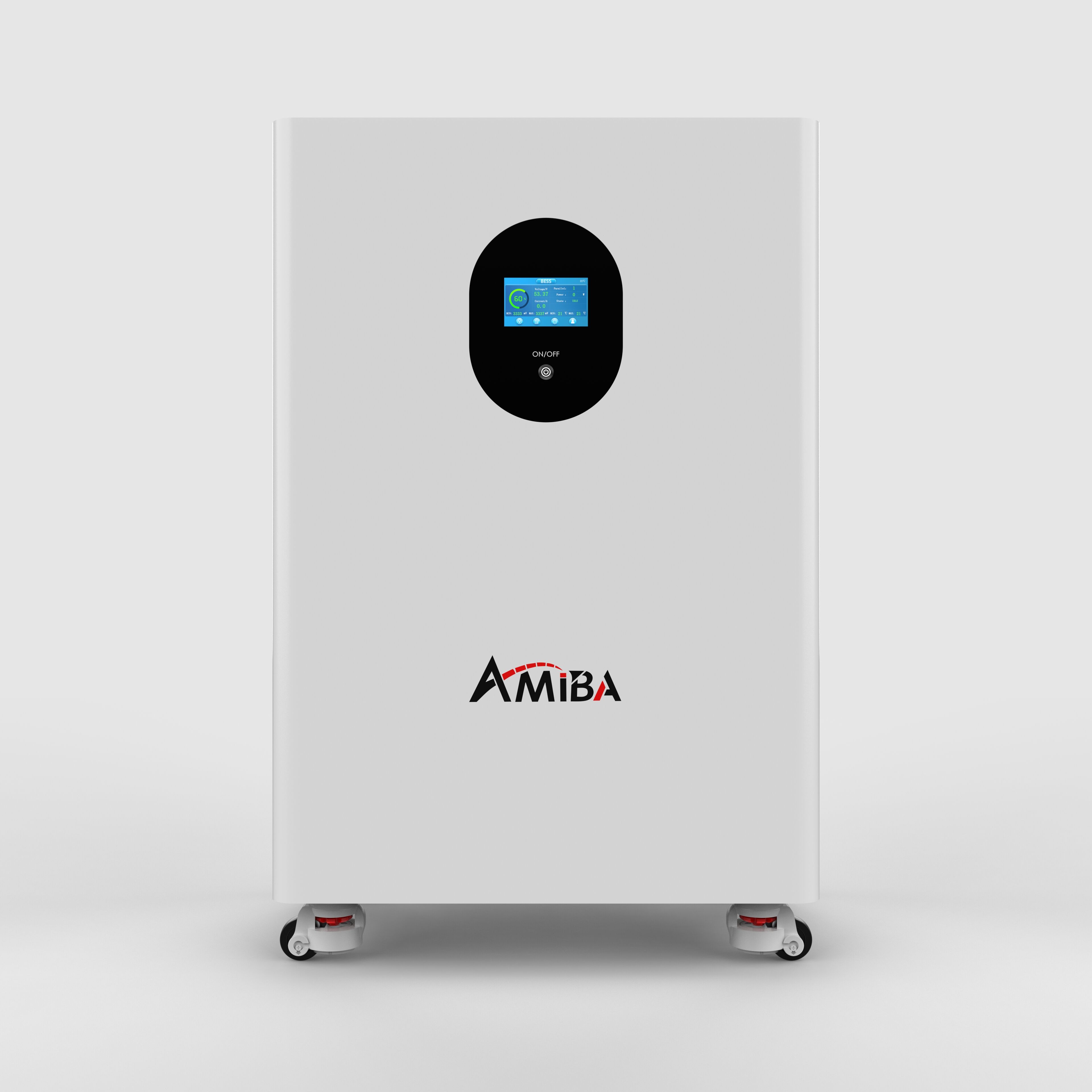
AMiBA 48v battery1 - Long Cycle Life Lithium Battery, Preferred for Industrial Equipment & Home Energy Storage

AMiBA 48v battery1 - Long Cycle Life Lithium Battery, Preferred for Industrial Equipment & Home Energy Storage

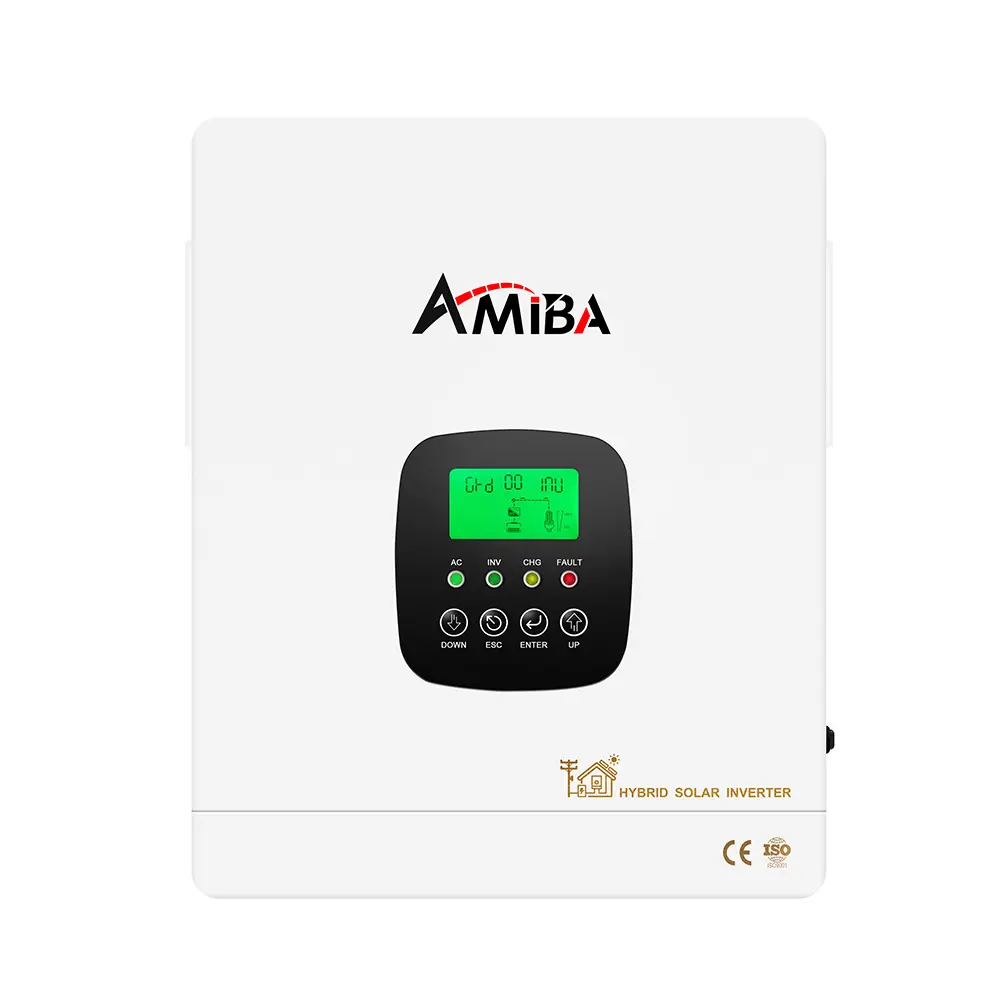
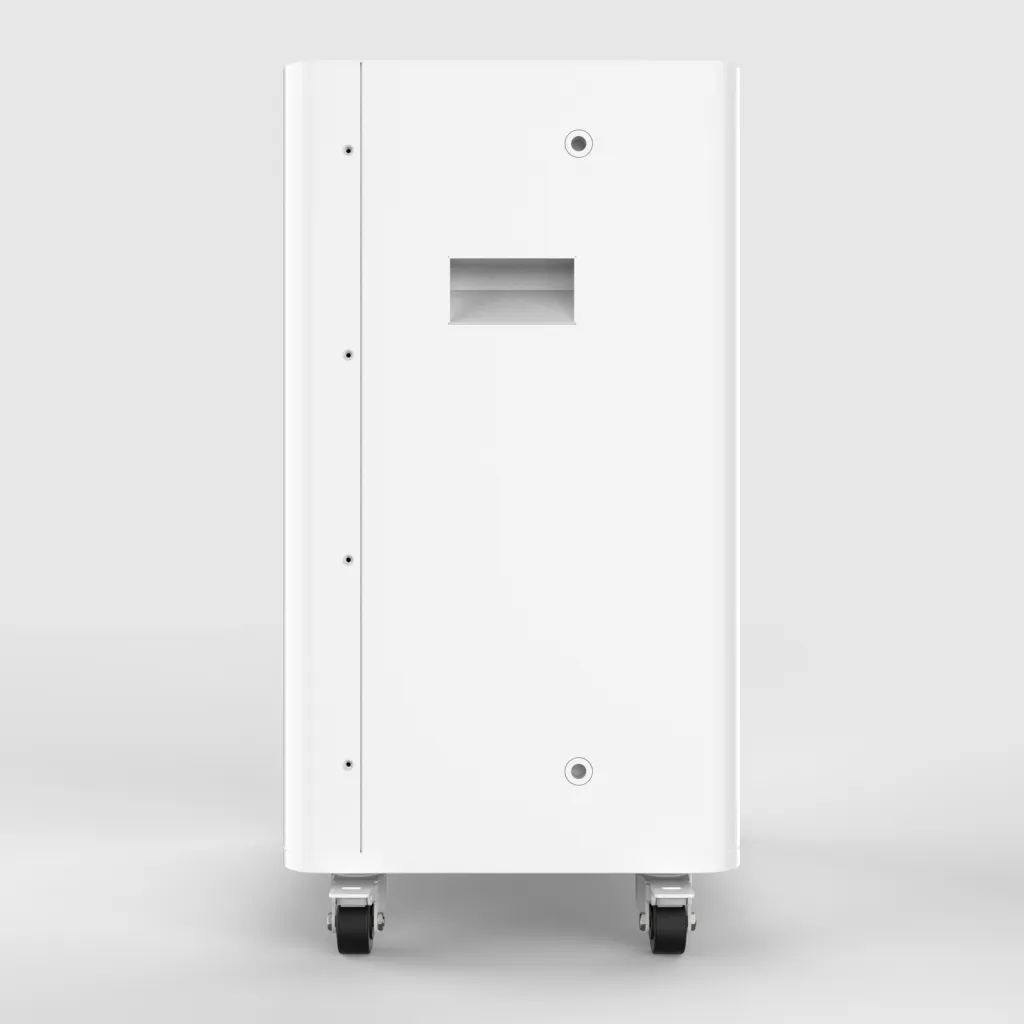
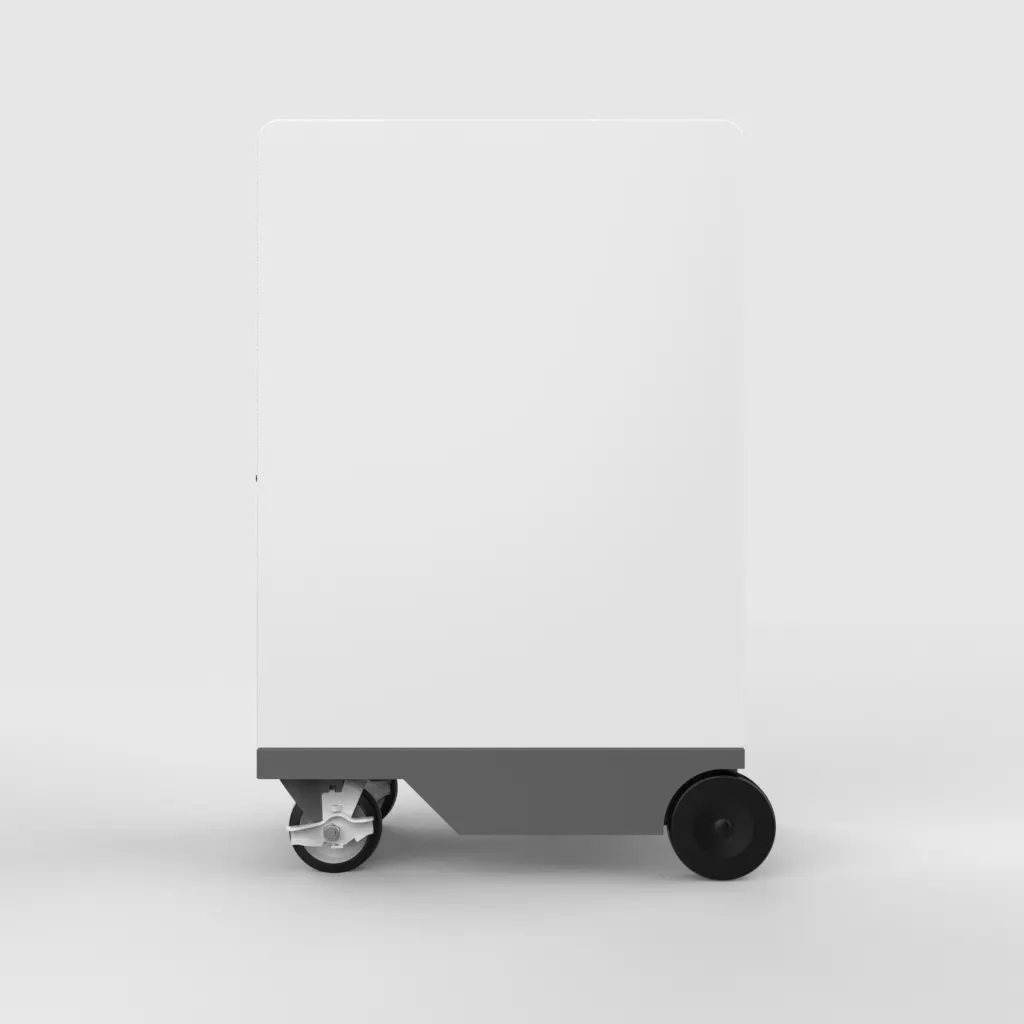
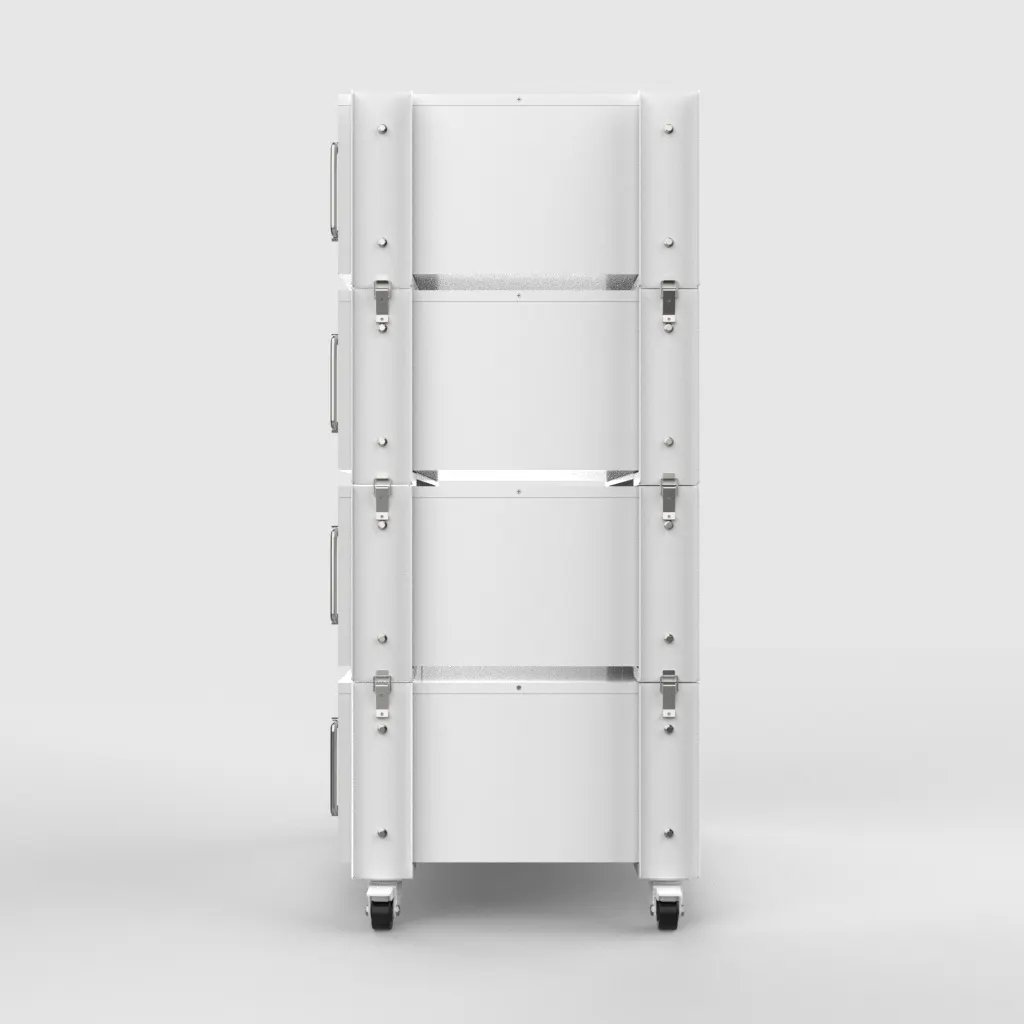
48v battery1 is independently R&D and produced by AMiBA, focusing on long cycle life design. LiFePO4 core materials ensure product durability and reliability. Suitable for home energy storage systems, industrial backup power, electric scooters, golf carts, and other scenarios, it supports deep discharge and fast charging. Equipped with an intelligent BMS to accurately control battery status, it offers customized services and B2B bulk cooperation models, with timely delivery guaranteed through warehouses worldwide.
Get A Quote

Unmatched Benefits of Our 48V Batteries

Extended Lifespan and Performance

Our 48V lithium batteries outperform traditional lead-acid batteries, offering superior energy density, faster charging times, and a longer lifespan. This means fewer replacements and lower overall costs for our customers, making it a smart investment for renewable energy systems.

Customizable Energy Solutions

We understand that every application is unique. Our 48V battery packs can be tailored to meet specific energy storage needs, whether for residential solar systems, electric vehicles, or industrial applications. This flexibility ensures optimal performance and efficiency in any setting.

Environmental Sustainability

Our commitment to renewable energy extends to our manufacturing processes. The 48V batteries we produce are designed to minimize environmental impact while maximizing energy efficiency. By choosing our batteries, customers contribute to a greener future.

Related products

We provide top energy storage solutions to many renewable energy sectors. Our batteries provide energy storage for any energy reliant residential or commercial solar systems. Energystorage active energy independence andminimizes dependence on the grid. For safety, longevity, and superior performance, the lithium technology and batteries we use are most advanced and commercial grade and, thus, also suitable for residential use.

Frequently Asked Questions

What is the cycle life of the 48v battery, and is it more durable than traditional lead-acid batteries?

AMiBA’s 48v battery adopts LiFePO4 core materials, with a cycle life of over 2000 times (remaining capacity ≥80%), 3-5 times that of traditional lead-acid batteries. It supports deep discharge with stable performance, requiring no frequent maintenance. The long-term use cost is lower, solving the pain point of short lead-acid battery life and frequent replacement, suitable for long-term stable power supply needs.
The product has excellent weather resistance, operating stably at -20℃~60℃, with a discharge efficiency of ≥85% at low temperatures and no overheating risk at high temperatures. It adopts a sealed protective design and high-temperature resistant cells, adaptable to complex extreme environments such as outdoor, mining, and oil fields. It solves the battery adaptation problem in scenarios like outdoor equipment and remote area energy storage, and can be used normally without additional temperature control equipment.

Related articles

Choosing the Right Lithium Battery for Home Energy Storage

11

Apr

Choosing the Right Lithium Battery for Home Energy Storage

Explore how lithium batteries power modern home energy systems, the benefits of solar battery integration, and tips for choosing reliable brands. Dive into types, features, and climate considerations for optimal battery performance at home.
View More
Comparing Different Types of Lithium Ion Batteries

16

Jun

Comparing Different Types of Lithium Ion Batteries

Explore the key differences in lithium-ion battery types including LCO, LiFePO4, and NMC, focusing on chemical compositions, energy density, lifespan, and application-specific performance characteristics. This comprehensive guide aids in understanding optimal battery usage for consumer electronics, electric vehicles, solar energy, and industrial storage systems.
View More
How Long Can a Lithium Ion Battery Power an Inverter?

20

Aug

How Long Can a Lithium Ion Battery Power an Inverter?

View More
How to Store Lithium Rechargeable Batteries Properly?

25

Aug

How to Store Lithium Rechargeable Batteries Properly?

View More

Review

Markus Schmidt

Our factory purchased AMiBA’s 48v battery for production line backup power, and it has proven to be highly durable. We needed a customized capacity to match our equipment, and AMiBA’s ODM team communicated with us in detail to finalize the solution. The battery adopts high-quality LiFePO4 materials, which are corrosion-resistant and can withstand the harsh industrial environment. It operates stably for 8 hours continuously during power outages, and there’s no sign of performance degradation after 6 months of daily use. The global after-sales support also gives us peace of mind—this 48v battery is worth recommending for industrial applications.

Noah Clark

Our clinic chose AMiBA’s 48v battery as backup power for ultrasound machines and monitors, and its safety performance is outstanding. It has multiple protections against overcharge, over-discharge, and short circuits—eliminating safety hazards. The LiFePO4 material is non-toxic and environmentally friendly, complying with medical industry standards. When the main power cuts off, it switches to backup power instantly, preventing data loss. AMiBA’s team provided on-site training, and the battery has run stably for a year. We highly recommend it for medical facilities.

Get a Free Quote

Our representative will contact you soon.
Email
WhatsApp/Phone
Name
Company Name
Message
0/1000
Advanced Lithium Technology

Advanced Lithium Technology

Our 48V batteries utilize cutting-edge lithium technology, offering superior energy density and longer cycle life compared to traditional batteries. This results in reduced overall costs and enhanced performance, making them ideal for renewable energy applications.