
 EN
EN
Quick Links

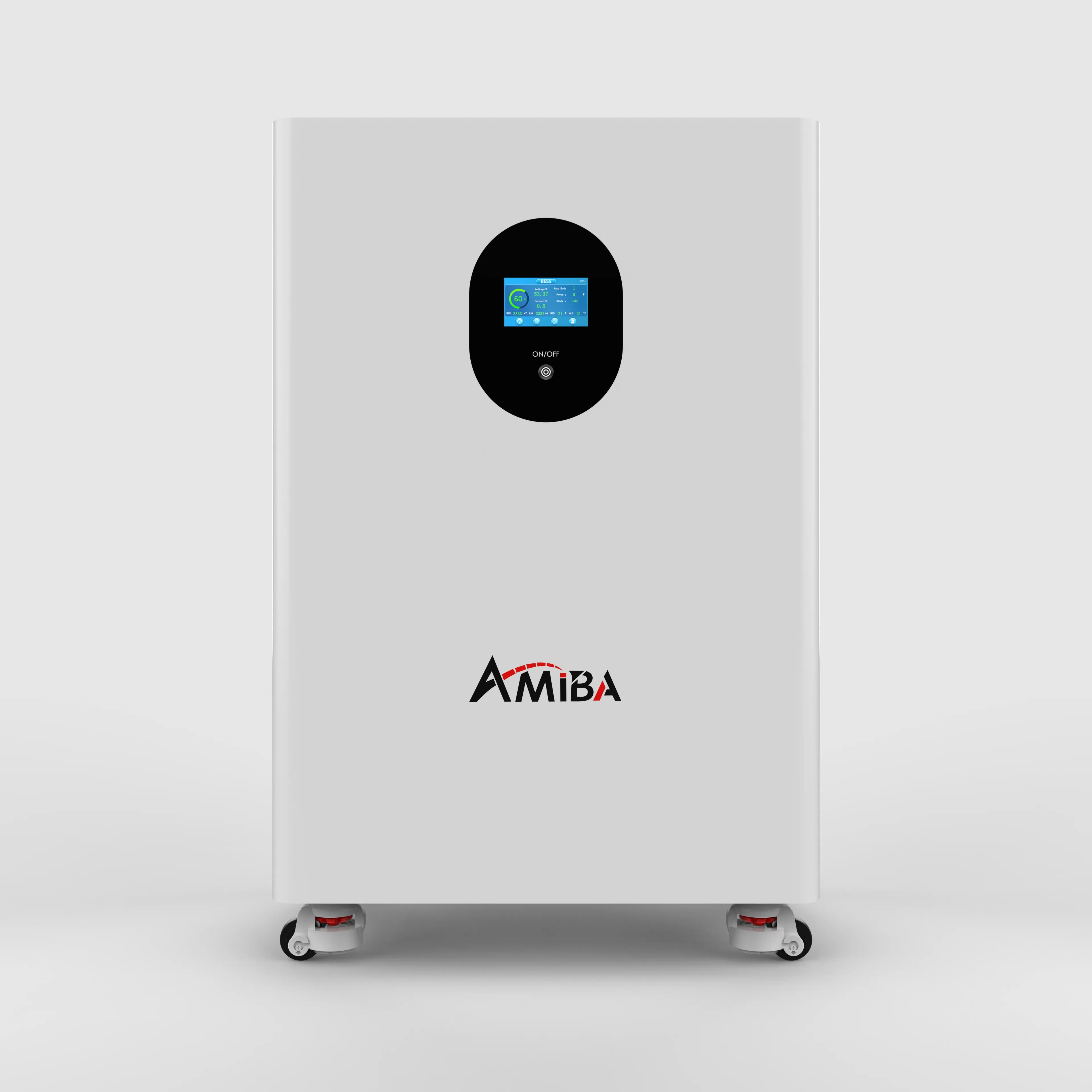
Li-ion batteries typically have around 150 to 200 Wh/kg energy density which makes these batteries good choices when working with compact 48V systems where there just isn't much room available. On the other hand, lithium iron phosphate or LiFePO4 stands out because it lasts much longer through charge cycles. We're talking about over 2000 complete cycles versus only 800 to 1200 cycles for standard Li-ion according to EV lithium research from last year. The initial price tag for LiFePO4 does come in at roughly 10 to 20 percent more expensive than regular lithium ion options. But what people often overlook is that this extra investment pays off in the long run since these batteries need replacing so much less frequently. Over time, this actually results in about 40 percent savings on a per cycle basis compared to constantly buying new Li-ion packs.
The iron phosphate cathode in LiFePO4 batteries stays stable even when temperatures reach around 270 degrees Celsius, which cuts down on the chances of dangerous thermal runaway situations. Regular lithium ion batteries tell a different story though. According to research from Vatrer Power published last year, these traditional chemistries start breaking down once they hit just over 60 degrees Celsius. That creates serious safety issues in places where things get hot. Because of this built-in stability, many manufacturers are turning to LiFePO4 for their 48 volt systems used in heavy duty equipment. Think about factories or construction sites where machines run non stop and ambient temps regularly climb past 50 degrees. The battery just keeps working without overheating problems.
Heat generation in 48V systems under heavy load comes mainly from three sources: internal resistance when cycling, joule heating when currents spike, and those exothermic reactions that happen during deep discharges. When batteries operate at 3C discharge rates, their surfaces often hit over 54 degrees Celsius if there's no active cooling involved, according to research published by MDPI back in 2023. For applications where power demands are intense, such as electric vehicle auxiliary systems, this kind of unchecked thermal buildup creates dangerous hotspots across the pack. These hot areas degrade battery cells much faster than what happens in packs with proper thermal management, sometimes cutting lifespan by around 40 percent or more.
The combination of indirect liquid cooling with phase change materials, or PCMs, is emerging as one of the top methods for getting both good efficiency and safety in those new 48 volt systems we see everywhere these days. Research published in the Journal of Power Sources back in 2025 showed something pretty interesting actually. When they tested hybrid systems using both liquid cooling and PCMs together, the peak temperatures dropped around 18 percent in car batteries running at 35 degrees Celsius ambient temperature. Pretty impressive stuff. Modern thermal control systems are getting smarter too. They can adjust coolant flow based on what's happening right then and there. This dynamic adjustment saves about 70 percent of the energy compared to older fixed speed systems, all while keeping temperature differences between cells within just 1.5 degrees Celsius. Makes sense when you think about it.
Thermal designs must be tailored to operational environments:
Modular liquid cold plates have emerged as a scalable standard, enabling seamless expansion from 5kWh residential units to 1MWh grid-scale systems without redesigning core thermal components.
Researchers at Applied Thermal Engineering ran tests in 2025 looking at how a special multi-layer PCM liquid system works with 48 volt forklift batteries inside warehouses where temperatures hit around 45 degrees Celsius. What they found was pretty impressive. These batteries stayed cool, keeping their maximum temperature at about 29.2 degrees Celsius throughout those long eight-hour work shifts. That's actually 7.3 degrees cooler than regular batteries without any cooling system. And there's more good news too. The annual loss of battery capacity dropped dramatically from 15 percent down to only 2.1 percent. When tested in real world conditions, these systems showed minimal temperature differences of under 2 degrees across all 96 cells, even when going through intense 150 amp fast charging sessions. Pretty remarkable stuff for anyone dealing with heavy duty battery operations.
The main sources of energy loss in 48V systems include internal resistance ranging between 3 to 8 percent, plus thermal dissipation losses of around 2 to 5 percent during each charge cycle, not to mention those pesky inefficiencies at the electrode interfaces. When charging isn't done properly, Ohmic losses can jump as much as 12% higher than what happens with well-balanced charging approaches according to some recent studies looking into how best to optimize lithium-ion charging. For anyone working with high power applications like electric vehicle drivetrains, these kinds of losses really matter because the constant fast cycling just wears things down faster over time.
Battery management systems these days make things run better because they adjust current flow smartly. This helps cut down those annoying resistive losses at their worst points by somewhere between 18 to 22 percent. They also balance cells really precisely, keeping voltages within just 1.5% difference across all cells. And when it gets chilly outside, these systems compensate for temperature changes during charging so we don't end up with lithium plating problems. Looking at what researchers have found, batteries using this multi stage constant current approach actually lose less capacity over time. Tests on 48 volt LiFePO4 setups showed around 16.5% less degradation compared to older charge control methods. Makes sense why more companies are switching to these advanced systems for longer lasting power solutions.
Variable loads in robotics and renewable microgrids introduce efficiency challenges:
| Load Characteristic | Efficiency Impact | Mitigation Strategy |
|---|---|---|
| High-current spikes (≥3C) | 8–12% voltage sag | Ultra-low ESR capacitors |
| Frequency fluctuations (10–100Hz) | 6% ripple losses | Active harmonic filtering |
| Intermittent idle periods | 3% self-discharge/hour | Deep sleep BMS modes |
Telecom backup system data shows load conditioning boosts round-trip efficiency from 87% to 93% in 48V lithium batteries and reduces thermal management energy needs by 40%.
The loss of capacity in 48V battery systems happens mainly because of three things: growth of the solid electrolyte interface layer, formation of lithium deposits on electrodes, and physical stress from the constant expanding and contracting of materials during charge cycles. When temperatures go up, these unwanted chemical reactions speed up dramatically. Research published last year shows that if the operating temperature climbs just 10 degrees Celsius past 30 degrees, the number of times a battery can be charged before failing drops by half. For car manufacturers dealing with real world driving conditions, this mechanical wear gets even worse over time as vehicles subject batteries to all sorts of vibrations and sudden load changes while on the road.
Operating 48V batteries within a 20%–80% state of charge (SOC) range reduces SEI formation by 43% compared to full cycling. NREL’s 2023 analysis found that a 0.5C charging rate (3-hour charge) preserves 98% of initial capacity after 800 cycles, versus 89% retention at 1C.
| Charging Rate | Cycles to 80% Capacity | Annual Capacity Loss |
|---|---|---|
| 0.3C | 2,100 | 4.2% |
| 0.5C | 1,700 | 5.8% |
| 1.0C | 1,200 | 8.3% |
Table: Charging rate impact on 48V lithium-ion battery longevity (NREL 2023)
Fast charging at 1C definitely cuts down on waiting time but comes with a downside: batteries tend to run hotter inside by around 55 to 70 percent when compared to the slower 0.5C rate. A recent look at commercial energy storage from 2024 shows something interesting though. They tried an approach where they charged at full speed (1C) until reaching about 70% state of charge, then slowed things down to just 0.3C. After going through 1,200 charge cycles this method kept roughly 85% of original capacity, which is actually pretty close to what happens with those ultra cautious slow charging methods. And here's the kicker – if these systems get good thermal management that can cut temperatures by at least 30%, partial fast charging starts looking like a smart middle ground between wanting quick charges and making sure batteries last longer too.