
 EN
EN
Quick Links

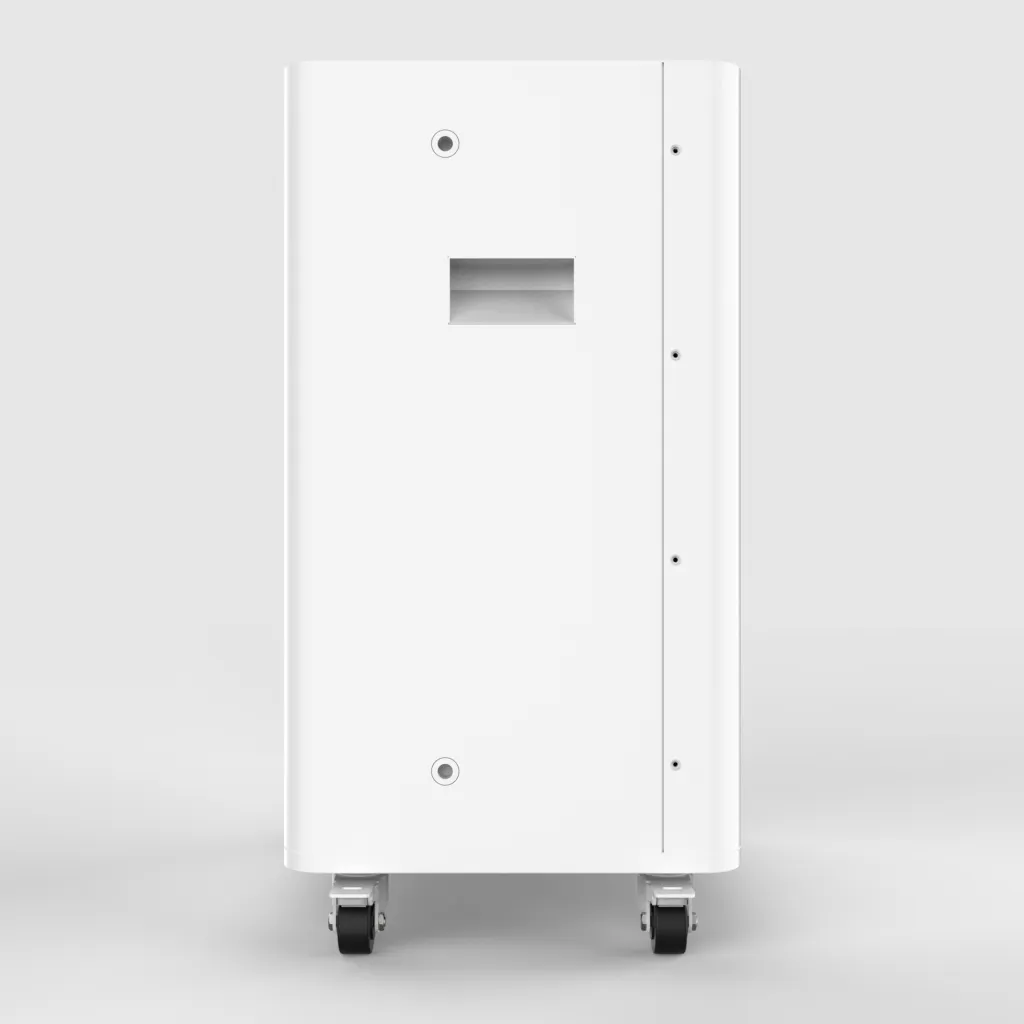
More and more factories are switching to 48V battery systems because they offer just the right mix of efficiency, safety features, and compatibility with other equipment. When systems run at 48 volts, they draw less current for the same amount of power output which means fewer energy losses through resistance in wires (remember that P equals I squared R formula from school). Plus, this lower current allows companies to use thinner cables that cost less money overall. Another big plus is safety stuff. At 48 volts, these systems stay under the 60 volt Safety Extra Low Voltage limit set by international standards like IEC 61140. That means workers don't have to worry about dangerous electrical arcs when doing regular maintenance tasks, and they can skip buying expensive protective gear most of the time. And guess what? This voltage level has been around for ages in things like telephone networks, factory automation setups, and control panels everywhere else. So facilities can plug these systems into what's already there without spending tons on new wiring or modifications.
The 48V standard makes it much easier to work with basic power components across the board. A lot of today's Uninterruptible Power Supplies (UPS) systems and inverters actually come with built-in support for 48V DC input right out of the box. This means batteries can connect directly without going through those energy wasting AC to DC or DC to DC conversion steps that eat up so much power. What's really interesting is how this works well in older industrial setups too. Many factories still run their sensor networks, PLCs, and various control circuits on 48V power. Because of this existing infrastructure, switching to lithium based 48V batteries happens quickly, poses minimal risk to operations, and doesn't require huge capital investments either.
Accurate assessment of industrial power needs forms the foundation of reliable 48V battery backup design. This process identifies essential systems requiring protection and quantifies their energy consumption to prevent downtime.
Start with making a complete list of everything in the facility and then measure how much power each item actually uses. Clamp meters work great for this kind of job, though some folks prefer submetering systems when dealing with larger installations. When going through the list, focus first on the stuff that absolutely needs to stay running at all times. Things like process controllers, those safety switches that stop machines if something goes wrong, and all the networking gear that keeps operations connected should definitely come first. The other stuff? Lighting around the office area, extra heating or cooling units not directly tied to production processes these can usually wait or even get turned off temporarily without causing major problems. Make sure to record regular usage numbers but also watch out for those sudden spikes in energy demand. Motors and big compressors are notorious for pulling three times their normal current when they kick on, so it pays to know exactly what happens during those startup moments.
| Equipment Type | Power Range | Criticality |
|---|---|---|
| Process Control Systems | 300–800 W | High |
| Servers & Network Gear | 500–1500 W | High |
| HVAC Compressors | 2000–5000 W | Medium |
| Facility Lighting | 100–300 W | Low |
Modern predictive modeling tools reduce sizing errors by 39% compared to manual calculations when combined with historical load data. Calculate total daily kWh by multiplying average wattage by operational hours, then add a 25% buffer for equipment aging and future expansion.
Most industrial facilities stick to standard uptime classifications these days. Tier III installations need around 99.982% availability on average, whereas Tier II facilities aim for approximately 99.741%. When looking at equipment duty cycles, there's a big difference between continuous loads such as SCADA systems and machines that start and stop frequently throughout their operation periods. For truly mission critical applications, many specifications call for what's known as N+1 redundancy setup. This basically means having backup power capacity that goes beyond peak requirements by an entire additional module. Environmental factors matter too though. Lithium battery performance drops significantly when temperatures fall below normal operating conditions. At freezing point (0 degrees Celsius), these batteries typically provide only about 15 to 20 percent of their rated capacity compared to what they can deliver at the standard reference temperature of 25 degrees Celsius.
Getting the right size for a 48V battery bank starts by figuring out how many kilowatt hours (kWh) we need. The basic math looks something like this: Take the critical load in kilowatts and multiply it by how long we want backup power. Then divide that number by two things - first, the depth of discharge percentage, and second, the system efficiency factor. Most lithium batteries can handle around 80 to 90% depth of discharge, which is almost twice what lead acid batteries manage at about 50%. Let's say someone needs 10 kW of power for four hours with an 80% depth of discharge and 95% efficient system. Doing the math gives us roughly 52.6 kWh needed. To convert that into amp hours for our 48V system, just multiply the kWh by 1000 and then divide by 48 volts. That works out to approximately 1,096 amp hours. Following this method helps avoid buying too small a battery while still keeping costs reasonable over time and ensuring good performance from day one.
When we want to extend backup power beyond just one day, basically all we do is multiply our normal daily usage by how many days we need it to last. Let's take a look at an example: if a facility consumes around 120 kilowatt hours per day and wants three full days of autonomy while maintaining 80% depth of discharge, the math works out like this. Take those 120 kWh times three days equals 360, then divide by 0.8 because of that 80% requirement, which gives us roughly 450 kWh needed. However, nobody operates in perfect conditions. Cold weather alone can cut battery capacity by about 20% when temperatures drop below freezing. Lithium batteries lose effectiveness over time too, roughly 3% each year. And whenever there are sudden high current demands, the system experiences voltage drops that make the actual usable capacity even lower than expected. For this reason, most engineers will throw in an extra 25 to 30% just to be safe. That bumps our original estimate up from 450 to somewhere around 562 kWh total capacity, ensuring things still work properly even when unexpected issues arise during long power outages.
Backup systems in industrial settings typically use series-parallel setups to keep the 48V output steady even when loads change. When batteries are connected in series, they reach the needed voltage level. Adding them in parallel boosts the overall capacity (measured in Ah) so the system can run longer during power outages. The big advantage here is that this setup prevents the kind of uneven current flow that often leads to early battery failure. Take for instance a common configuration called 4S4P, which means four sets of four batteries wired together. This gives us the desired 48 volts while multiplying the total capacity four times over. What's really important is making sure the current flows evenly through all those parallel connections. Most experienced technicians know that keeping variations below about 5% requires careful planning of the busbars and matching cells closely. Thermal imaging tests done at actual industrial sites back up these findings consistently.
For those running Tier III or IV facilities aiming at that sweet spot of 99.995% uptime, N+1 redundancy isn't just nice to have but absolutely necessary. When one module goes down, operations keep going without a hitch. The modular approach has these fancy fused disconnect switches that can cut off faulty parts in half a second flat. Speaking of growth, these systems are designed to scale easily thanks to standard rack interfaces. Facilities can expand capacity bit by bit, adding 5 kWh increments as needed. No messy rewiring required either. Companies report saving around 60% on upgrades when switching from old school monolithic setups. Recent studies from 2023 back this up, showing how much money gets saved over time with this kind of flexible infrastructure.